Smartphones are an essential part of the new world that we live in. They help boost productivity and enable us to stay connected. On the flip side, excessive use of smartphones can cause a variety of problems. Neck pain, back pain, and tenderness in the joints of the hands can at times, be attributed to excessive use of smartphones. In fact, 'text neck' is a phrase that's used to describe headaches, shoulder pain and arm pain due to excessive text messaging.
Individuals who spend hours slouched on the couch using their phones for texting, emailing, or even gaming tend to experience the most discomfort. This can also lead to constant pain in the thumbs and wrists due to inflammation of the tendons. This is a condition called De Quervains disease. Physical therapy offers a number of treatment options for patients with this type of joint pain and inflammation.
Pain in the Neck?
Although the impact of smartphones seems trivial, it is not something that should be taken lightly since it can result in pain, discomfort and lost productivity. Physical therapists not only help with treatment, but also with prevention of smartphone induced neck and back pain.
Your therapist can offer a variety of treatments to help patients with 'smartphone induced' symptoms, allowing them to experience pain relief and regain normal function. Medical treatment helps to reduce pain and inflammation, but physical therapy plays a vital role in the restoration of joint mobility and muscle strength. Physical therapy treatments include:
Splinting – Offers rest to the joints in the hands and restricts active movement, which facilitates healing.
Hot/cold packs – Increase blood flow and reduce inflammation as needed.
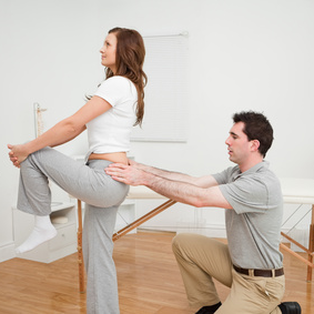
Muscle stretching - Muscles in the neck and hands can become tight, which results in movement restriction. Stretching exercises can help reduce pain and inflammation while increasing range of motion.
Resistive exercises - An increase in muscle strength helps reduce pain and restore the ability to complete normal daily activities.
Manual therapy – Soft tissue massage (to target deep muscles in the neck and shoulder region) and joint mobilizations are specialized treatments by physical therapists. These treatments have a significant impact on pain relief and range of motion.
The physical therapist will also determine which posture is causing the issue that needs to be addressed. For example, if you spend several hours cradling the phone between your head and neck, your therapist will teach you important strategies like switching sides, stretching and the use of headsets. Simple things that can help save you having pain in the neck. For example, setting down the phone every 20 minutes and standing up from your desk, stretching the muscles every 30 minutes and taking a break to allow your eyes to relax are easy and powerful strategies to protect your body from the impact of smartphones.
The Smart Step
Never before have we depended so much on technology to help us with everything in our daily lives. The problem is - an increase in technology may result in a decrease in physical activity and movement. If you depend on technology like smartphones (and other devices like laptops, computers), consider the long-term impact on your posture, joint movements and muscle strength.
The truth is - innovation and technology are growing faster than anyone ever imagined. This makes it even more important to take care of the body, and protect it against the inadvertent, yet harmful effects of smartphones and other devices. Give our office a call at (516) 616-0942 if you are experiencing any discomfort, swelling, or pain as a result of your smartphone. You may be surprised to find that the culprit is that tiny little device you've become so dependent upon in recent times. There is a lot that physical therapists can do for you that you probably didn't even know about. We will show you the extent to which physical therapy can change your life.
Degenerative disc disease, despite the name, is not a disease but a deterioration of the discs of the spine. It occurs over a period of time, resulting in neck or back pain and other musculoskeletal and neurological symptoms. It is common in adults in their thirties. Types of degenerative disc disease
Cervical: affects the neck and is referred to as cervical degenerative disc disease
Lumbar: affects the lower back and is called lumbar degenerative disc disease
The cervical and lumbar regions of the spine are susceptible to damage due to increased movement capabilities. Constant motion over time results in the wear and tear of the discs. Signs and Symptoms of DDD Most patients report one or more of the following symptoms:
Pain is triggered by an activity
Pain flares up periodically and then settles to a low-grade pain/discomfort
Sitting or standing for long periods of time worsen the pain
Activities such as walking may alleviate the pain
Relief upon changing body position
Muscle spasms
Tingling sensations in the extremities
Any activity that triggers pain in the neck or lower back should be ceased immediately. If there is no relief with rest, consult with a physical therapist. Early intervention could save you from further damage to the disc, muscles and ligaments.
Management of Degenerative Disc Disease
Physical therapy helps treat the underlying factors such as the instability of the intervertebral joints and the associated inflammation. Your physician may recommend prescription medication to provide relief. Once the pain is reduced, specific exercises and specialized physical therapy techniques are utilized to achieve lasting relief. Treatment falls into one of the following three categories: Medical
Pain control with acetaminophen, prescription medications, narcotics, etc.
Replacement of the damaged disc with an artificial disc
Conservative (Physical therapy)
Exercise: Progressive controlled exercises under supervision. These include stretching, strengthening and low-impact aerobics.
Lifestyle modification: Improved posture and movement patterns reduce stress on the spine. Ergonomically designed chairs can also relieve pressure on the spine.
Self-care including weight management, treatment of depression, etc.
A Stronger Spine
Prevention Tips Poor posture, especially in a sitting position, can cause bone and joint issues over time. If your job is sedentary it is important to:
Perform stretching exercises at regular intervals.
Adjust the height of your desk chair and computer to minimize strain on your neck and lower back. (Come to our office for an evaluation and we will identify the most appropriate height for you).
Invest in footwear to reduce stress on the lower back
Call our office at (516) 616-0942without delay if you are at risk of developing DDD. If you, or someone you know, has been diagnosed with DDD, a physical therapy program, combined with traditional medicine, is critical for recovery.
Physical therapy interventions include:
Strengthening
Postural retraining
Ergonomic intervention
Use of modalities including electrical stimulation for muscle reeducation
Physical therapy will improve blood circulation to the affected region and reduce pain by facilitating the release of endorphin (pain relief chemicals naturally produced by the body). The long-term goal is to reestablish range of motion over time and assist in recovery. Call us today to learn more about what physical therapy can do for you.
Technology has provided new medical treatments, ways to communicate, and entertainment options, but it’s also taking a toll on the bodies of those who use it. Squinting at small screens, selfie-induced tennis elbow, and sitting hunched over computer keyboards, tablets, and video game systems are just some of the ways in which people are causing injury to themselves. An increasing number of people are seeking physical therapy to relieve pain, tension and injuries involving the neck, shoulder and back, along with stress-related conditions that include migraines and TMJ pain.
Problems with the spine, wrists and palms of the hand are common among those who spend an excessive amount of time playing video games, using computers and talking on cell phones. “Trigger thumb” is the result of tightly gripping video game controllers and smartphones. Carpal tunnel and repetitive motion injuries are occurring in individuals who text (texting thumb), use keyboards, play video games and take a lot of selfies (selfie elbow). It causes injury to muscles, nerves and tendons that produce pain, tingling and numbness. Individuals who spend a lot of time on their cellphones or who are sensitive to electromagnetic fields are experiencing tinnitus, a persistent ringing in the ear. On the opposite end of the spectrum are people who wear headphones to block out noise pollution, only to suffer injuries from walking into traffic.
Getting Physical With Tech
The popular names of the injuries may change, but the established treatments of physical therapy can treat, correct and heal all the injuries that technology engenders. Physical therapy treatments are effective for:
Relieving pain
Aligning the spine and neck
Improving posture
Relaxing tensed muscles
Relieving pressure on the neurological system
Addressing migraines and TMJ pain
Avoiding surgery
The flashing lights and movements of video games can also produce seizures in those who are susceptible. It’s known as photosensitive epilepsy and can occur when people are exposed to the flickering, bright lights and movement patterns of video games. Strobe lights at clubs and the lights of emergency vehicles can also trigger an episode. Computer vision syndrome (CVS) is occurring in people who use computers more than two hours per day, resulting in headaches, dry eyes and blurred vision. People who play video games designed to encourage people to exercise and dance are experiencing strains and sprains from the unaccustomed movements.
Physical Therapy To The Rescue
One of the best ways you can pamper yourself is with a neck and spinal alignment. Your physical therapist will make adjustments that place the spine in the correct position to relieve pressure on soft tissues and the neurological system. Exercise may seem counter-productive for a body that’s already in pain, but your physical therapist can create a custom program of exercises that will help reduce the risk of injuries. If an injury has already occurred, your physical therapist can provide treatment to relieve pain and help you heal. Heat, cryotherapies, electro-stimulation, and therapeutic massage are effective for reducing swelling, inflammation and pain from a wide range of tech-related injuries. Acupuncture and dry needling may also be employed and the therapies have the advantage of being equally applicable for multiple areas of the body.
If you find yourself tensing up while talking on the phone, playing video games, or using your computer or phone, you may be among the thousands of people that suffer from migraines and TMJ pain. Clenching the teeth places pressure on the jaw joint that can lead to pain and nerve impairment, conditions that can be remedied with physical therapy. Your physical therapist can provide suggestions and recommendations on adaptive aids and ergonomic accommodations at home and work to mitigate the risk of injury and pain. If you’re suffering with carpal tunnel syndrome, your therapist can relieve the pain or numbness and restore normal use of your hand, wrist and arm without the need for surgery. Physical therapy is beneficial for helping reduce the risk of sustaining an injury from a tech-related source and healing any existing injury you may already have incurred. Technology is a fact of life, but there’s no reason to live with the pain of using it when relief is so easily available. Call now to receive a Free Back or Neck Analysis and Treatment.(516) 616-0942