
 RSS Feed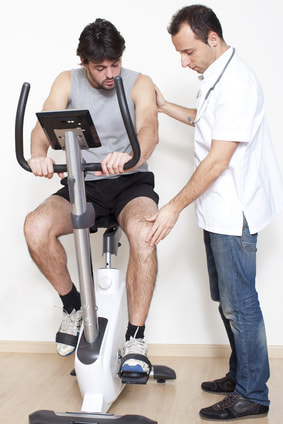

Subscribe to Our Insider-Only Newsletter
Get useful health, wellness and injury prevention articles sent directly to your inbox.

|
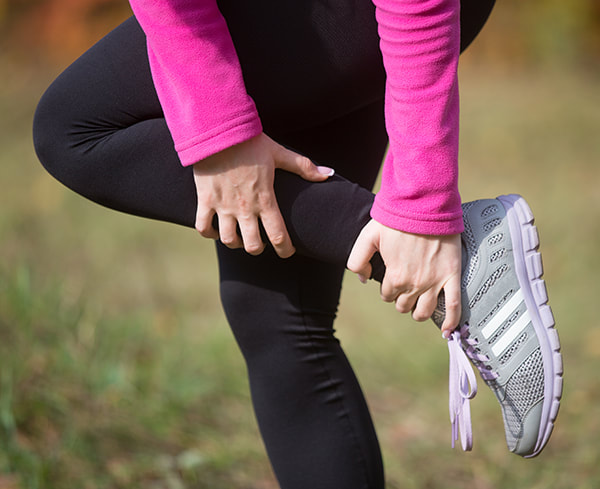
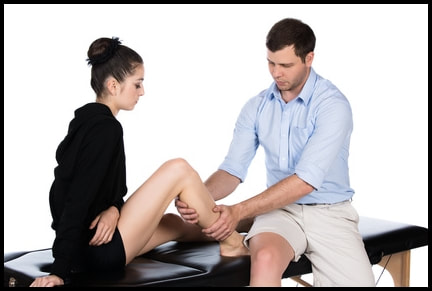
Shin splints occur due to damage and inflammation of the muscle tendons attached to the tibia. The pain can be rather unbearable, forcing individuals to take prolonged periods of rest to allow for the inflammation to heal. Physical therapy plays an important role in the treatment of shin splints. Visit your physical therapist if:
Prevention, Diagnosis and Treatment of Shin Splints
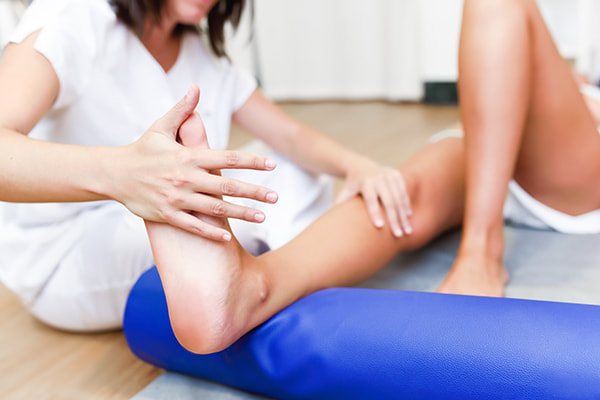
Diagnosis of Shin Splints: The history of the event that triggered the pain is an important clue. A clinical assessment that includes gentle pressure on the shin area and a variety of special tests will be conducted by the physical therapist. Stress fractures, compartment syndrome, nerve entrapment and popliteal artery entrapment are a few of the conditions that must be considered. Treatment of Shin Splints: Foundations of treatment include ice and rest. Gait and footwear analysis An analysis of how a person walks and runs is an important part of treatment. The wrong mechanism of walking can transmit a great deal of force through the shin to the knee and hip. In such situations, physical therapists will correct gait patterns and recommend footwear with shock absorbing capacity. Muscle stretches and strengthening The tibial and peroneal muscles are attached to the shin and must be stretched adequately before any form of exercise. Physical therapy includes various stretches of the foot that will help stretch and warm up these muscles. Strengthening the damaged muscles can also help. Activity modification Physical therapists may suggest alternative activities to minimize stress on the shinbones. These can include swimming and cycling. Range of motion exercises Exercises for the hip, knee, ankle and foot improve blood circulation, reduce inflammation and relieve pain. Arch support The absence or collapse of a normal foot arch can lead to shin splints. Physical therapists will recommend appropriate orthotics that can be custom made for the patient and provide the appropriate amount of arch support. Getting You Back on your Feet...
The shin splint has healed when:
The sooner you give us the opportunity to assess the injury and initiate treatment, the faster you will recover. Thank you for your time, and we look forward to helping you get back on your feet.
0 Comments
Physical therapists are experts in how the musculoskeletal system works and how to maximize the potential of any individual whether they’re a high school athlete, participating at the collegiate level, or competing in professional events.
Physical therapy is so effective that world-class Olympians regularly receive care from a physical therapist to keep their bodies in top condition and improve agility, stamina, and endurance. Different sports and activities all require specific muscle sets. The same muscles used for performing a high jump aren’t the same that an individual utilizes for rowing and each need a different approach. The time to begin a physical therapy training program is before an individual will call upon their body to perform. For those who regularly compete, physical therapy is a valuable tool for maintaining performance and fitness levels during the off season.
Training for a Lifetime
As part of a physical therapy athletic program, individuals will receive information about nutrition and dietary supplements that address any deficits in diet and offer the essential elements needed for successfully honing the body.
Physical therapy aids in multiple sports endeavors. It helps in basketball with improved vertical extension. Football players will find they have better explosive speed and strength for blocking and tackling. Baseball players can increase arm strength and batting speed. Techniques are equally applicable for amateur athletes who participate in activities such as biking and running.
Be the Best Version of You
Your physical therapist is also your best line of defense against over-training. In the quest to become the “best,” you may be tempted to put in more training time than you should. That path can actually lead to a loss in overall performance and increases the risk of injury. Your physical therapist will guide you in stretching and warm-up exercises and the proper amount to train without injuring yourself.
Manual manipulation and adjustments to the neck and spine help your body move smoothly and relieves pressure on the neurological system that surrounds the spine. Cupping, acupuncture and dry needling may be employed to reduce muscle tension and increase circulation. Therapeutic massage stimulates the immune system, increases circulation and helps detoxify the body. It loosens and relaxes muscles making them less susceptible to an injury. Hydrotherapy utilizes the power of water as a type of resistance training. It’s an effective treatment for building strength, balance and stamina. It doesn’t matter whether you’re a world-class athlete or you want to play a little one-on-one basketball in the backyard. Physical therapy significantly reduces the risk of injury and enables you to be the best version of yourself you can be.
Subscribe to Our Insider-Only Newsletter
Get useful health, wellness and injury prevention articles sent directly to your inbox.
|
Dr. A Mathew MPT, DPTWe strongly believe that everyone should have a clear understanding of what's going on with their body rather that relying on medical professionals for every little thing. 
Archives
May 2023
Categories
All
|

|
|
|
WE ARE COMMITED TO MAKE YOU PAIN FREE*
|
Before you spend any money on deductible or co-pays, find out for FREE if Physical Therapy would help.
Get a FREE personalized report to know if we can help your pain? By answering only 3 questions! |
We were here for more than 2 decades pre-corona, and we will be here post corona to make you pain free*. All things are difficult before they are easy. Never ever give up, hang tough! It has been tough since corona but do not suffer with pain anymore! Pain stops here;
HERE IS WHY |
|
Any ordinary person can become a Hero by doing ordinary things in an extraordinary way
|
You are a HERO to someone and every Hero needs to be PAIN FREE!
|
FREE Educational Workshop at the clinic every Thursday at 9:30 pm - Get details
|
Location1605 Hillside Ave,
New Hyde Park, NY 11040 516-616-0942
We are open
Mon - Fri: 7:00 am - 9:00 pm
Saturday: 9:00 am - 5:00 pm Sunday: 1:00 pm - 8:00 pm Email: [email protected]
If you want to save the world, call any fictional hero but if you want a pain free body* call HTPT hero at (516) 616-0942
|
|