Smartphones are an essential part of the new world that we live in. They help boost productivity and enable us to stay connected. On the flip side, excessive use of smartphones can cause a variety of problems. Neck pain, back pain, and tenderness in the joints of the hands can at times, be attributed to excessive use of smartphones. In fact, 'text neck' is a phrase that's used to describe headaches, shoulder pain and arm pain due to excessive text messaging.
Individuals who spend hours slouched on the couch using their phones for texting, emailing, or even gaming tend to experience the most discomfort. This can also lead to constant pain in the thumbs and wrists due to inflammation of the tendons. This is a condition called De Quervains disease. Physical therapy offers a number of treatment options for patients with this type of joint pain and inflammation.
Pain in the Neck?
Although the impact of smartphones seems trivial, it is not something that should be taken lightly since it can result in pain, discomfort and lost productivity. Physical therapists not only help with treatment, but also with prevention of smartphone induced neck and back pain.
Your therapist can offer a variety of treatments to help patients with 'smartphone induced' symptoms, allowing them to experience pain relief and regain normal function. Medical treatment helps to reduce pain and inflammation, but physical therapy plays a vital role in the restoration of joint mobility and muscle strength. Physical therapy treatments include:
Splinting – Offers rest to the joints in the hands and restricts active movement, which facilitates healing.
Hot/cold packs – Increase blood flow and reduce inflammation as needed.
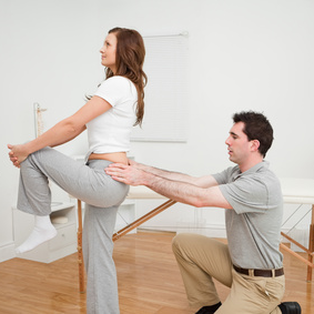
Muscle stretching - Muscles in the neck and hands can become tight, which results in movement restriction. Stretching exercises can help reduce pain and inflammation while increasing range of motion.
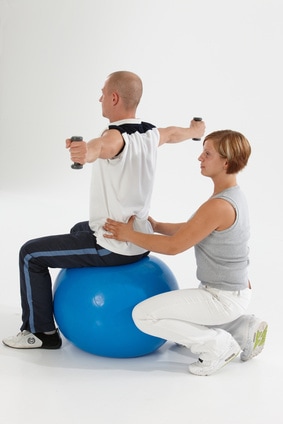
Resistive exercises - An increase in muscle strength helps reduce pain and restore the ability to complete normal daily activities.
Manual therapy – Soft tissue massage (to target deep muscles in the neck and shoulder region) and joint mobilizations are specialized treatments by physical therapists. These treatments have a significant impact on pain relief and range of motion.
The physical therapist will also determine which posture is causing the issue that needs to be addressed. For example, if you spend several hours cradling the phone between your head and neck, your therapist will teach you important strategies like switching sides, stretching and the use of headsets. Simple things that can help save you having pain in the neck. For example, setting down the phone every 20 minutes and standing up from your desk, stretching the muscles every 30 minutes and taking a break to allow your eyes to relax are easy and powerful strategies to protect your body from the impact of smartphones.
The Smart Step
Never before have we depended so much on technology to help us with everything in our daily lives. The problem is - an increase in technology may result in a decrease in physical activity and movement. If you depend on technology like smartphones (and other devices like laptops, computers), consider the long-term impact on your posture, joint movements and muscle strength.
The truth is - innovation and technology are growing faster than anyone ever imagined. This makes it even more important to take care of the body, and protect it against the inadvertent, yet harmful effects of smartphones and other devices. Give our office a call at (516) 616-0942 if you are experiencing any discomfort, swelling, or pain as a result of your smartphone. You may be surprised to find that the culprit is that tiny little device you've become so dependent upon in recent times. There is a lot that physical therapists can do for you that you probably didn't even know about. We will show you the extent to which physical therapy can change your life.
The impact of heart disease is significant, since it affects the quality of life. According to the Centers for Disease Control and Prevention (CDC), cardiovascular disease is the leading cause of death in the United States; one in every three deaths is from heart disease and stroke, equal to 2,200 deaths per day. The good news is that lifestyle changes can make a difference.
Your physical therapist can play an important role in improving your heart health. Don't wait until your physician tells you it's time to exercise, take some pre-emptive action. Call our office today and ask us to craft a "heart healthy" exercise program. Even if you have never exercised before, we'll improve the health of your heart with a safe, progressive exercise program. Expect to work closely with us, and together as a team, we'll improve the way your heart functions. If you currently suffer from heart related issues, your physical therapist can help you regain an active lifestyle by working on three specific areas:
Mobility issues
Healthy eating and lifestyle changes
Physical activities geared towards your specific abilities and goals
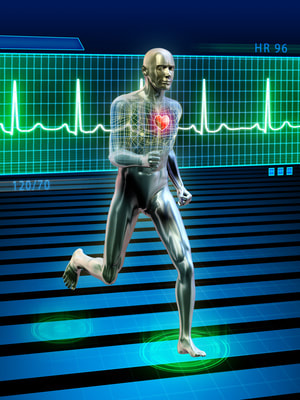
The Heart - An Amazing Organ
The average heart rate of an average adult is 72 beats per minute. If you live to be 80 years old, your heart could beat almost 3 billion times. The heart is an amazing organ that keeps beating involuntarily and powers blood circulation for the entire body. Here are some important considerations for heart health.
Understand the impact of lifestyle - While genetics play a part in heart disease, lifestyle choices have a significant impact. Smoking, overeating, eating unhealthy food and a sedentary lifestyle are factors that must be improved, especially when heart disease runs in the family.
Eat healthy - Minimize the consumption of sodium and trans fats. Eat healthy fruits and vegetables daily (try frozen versions when fresh produce is not in season as they hold the most nutrients).
Join heart healthy programs - Several programs can help you achieve a heart healthy lifestyle. In September 2011, the CDC launched a national initiative called A Million Hearts that includes a list of partners (federal and private sector) committed to keeping people heart healthy. Among those participating are the American Heart Association, the YMCA, Walgreens, and numerous health insurance companies. You may want to consider challenging your family and friends to take the Million Hearts™ pledge (or taking the pledge yourself) at www.millionhearts.hhs.gov.
Keep Moving - Being active doesn't mean having to run on a treadmill or attend a workout class. Simple things like taking a daily walk, taking the stairs instead of the elevator, parking farther away from your destination and walking to it can make a difference. Just keep moving!
The ABCS of a Healthy Heart
Although exercise is an important part of heart disease prevention, it is important to remember the ABCS of a healthy heart. Consult your physician for more information on these four key factors: A - an Aspirin a day can help keep your heart healthy. Ask your physician if low dose aspirin is a good idea for you. B - know your Blood pressure numbers. If your blood pressure remains high for a period of time, you may be at risk for heart disease. Ask your physician for more information.
C - know your Cholesterol levels - your body has 'good' cholesterol and 'bad' cholesterol. The ratio between these numbers is an important determinant of heart health. S - there's no question Smoking is detrimental to the heart! Smoking has a detrimental effect on other organs including your lungs and has been proven to cause cancer. As your physical therapists, we are committed to helping you live a healthy lifestyle brimming with energy and abundance. A strong, healthy heart is the first step, and we want to help you. Don't wait, just give us a call today and ask us for more information. You owe it to your heart.
A physical therapist is a licensed professional and an expert in the management of the musculoskeletal system. In fact, in most cases, you can see a physical therapist without a referral, and it is very likely that your insurance company will pay for physical therapy services. As 2019 comes to a close, this is an ideal time to renew your commitment to your health and well-being. Physical therapy is a viable alternative to surgery and medicine. In fact, it can help improve everyone's fitness and energy levels. Physical therapy can certainly help with pain relief, restoration of function and improvement in strength and mobility, but there is a lot more that your therapist can do for you.
For example, did you know that physical therapy can treat back, knee and joint pain? Did you know that conditions like obesity, osteoporosis and arthritis can also be treated by a licensed physical therapist? In fact, the treatment spectrum ranges from sports related injuries (as a result of overuse) and neurological conditions like a stroke to skeletal injuries like sprains, strains, and fractures.
Foundations of a Healthy Lifestyle
Your physical therapist will help you establish the foundation for a healthy lifestyle. Some foundational principles include: Stretching Find a way to include stretching into your daily routine. Associating it with something you normally do every day, like brushing your teeth or letting the dog out, can make it easier to remember.
You can set vibration alerts on your phone to remind you to take a break from work. Simply stand up, step away from the computer and stretch your neck and back. It doesn't have to be anything elaborate. Keeping healthy muscles and joints mobile throughout the day helps improve health and vitality. Hydration A well-hydrated body is a necessary foundation for physical health. Make it easy to keep drinking throughout the day by keeping a water bottle at your desk. Remember to sip water at regular intervals. Don't wait till you are thirsty, because the thirst reflex is a delayed indication of hydration. If you wait till you are thirsty, you are already dehydrated. Core Stabilization Balance in the human body is almost as important as balance in life. Challenging yourself a little every day can strengthen your core muscles (abdominal region, trunk and lower back) and improve proprioception. Try standing or sitting (make sure you are within arms reach of a chair so you can hold on to something if needed), close your eyes and hold your arms out at shoulder height. Now try picking one leg up, slowly, beginning by lifting your heel and rolling forward through your toe. Try to hold your leg up for a few seconds. When you put your foot back down, do it slowly, setting down your toe, then the ball of your foot, and finally your heel. Don't forget to do the other side so you're equally balanced on both sides. Try to increase the duration of the one-legged stance each day.
Changing your Life with Physical Therapy
Physical therapy has multiple facets. Although the word 'therapy' implies treatment of injuries, the entire scope of a physical therapist extends well beyond 'therapy'. In fact, we can help improve every aspect of your life by transforming the health of your bones, muscles, and joints. Children, adults and seniors (and in some cases, infants) can benefit from physical therapy. We can raise the bar on every aspect of your physical capability, by helping you perform every single movement more efficiently. Imagine if you could walk faster and climb stairs without getting out of breath. Imagine being able to lift heavy boxes you couldn't lift before, and being able to play sports with your children and grandchildren. Ask yourself this "What if I could turn back the clock and become a healthier version of myself?".
This is something we do for our community day in and day out. In celebration of physical therapy month, we want to thank you for being a patient and subscriber. This month is about you, not us. Call us today at (516) 616-0942 to schedule a visit and we'll show you how physical therapy can indeed, change your life.
Falling is a common problem amongst the elderly, and it can result in serious injury. It is estimated that one in every three adults aged 65 and older suffer from a fall every year. Fall related injuries range from hip fractures to head trauma. After a fall, patients experience a significant loss of confidence and a fear of falling when walking unaided. Recovery from a fall involves physical as well as psychological elements. It is important for the patient to seek physical therapy for treatment and fall prevention.
Why do elderly patients fall? Visual problems, muscle weakness and low blood pressure can cause a loss of balance, which leads to a fall. Other reasons include conditions such as Parkinson's disease and other conditions that affect the nerves. Occasionally, middle ear problems (vestibular problems) can occur and balance can be affected. The good news is, falls can be largely prevented with the right precautions.
Can Your Body Act as Resistance?
A physical therapist is trained to help individuals improve balance between muscle groups and increase joint stability. The physical therapist will begin with a detailed neuromuscular assessment to identify muscle imbalances and integrity of the nervous system. The physical therapist will conduct different tests to determine your sense of balance as you sit, stand and walk.
The speed and the stability with which you walk are also evaluated. This becomes the foundation for a balance program, in which you can use your own bodyweight as a source of resistance. Balance exercises such as single-leg standing under the supervision of a physical therapist are beneficial. Different activities to improve balance while walking and changing positions and direction train the body to prevent falls. The objective is to be able to handle different tasks at the same time while staying in an upright position.
Multiple Benefits of Physical Therapy
Physical therapy is an important aspect of fall treatment and prevention. For starters, a physical therapist will assess your footwear and the safety of your home to eliminate factors that could result in an inadvertent fall. Your therapist will use several techniques including core stabilization exercises and manual therapy to improve balance and stability. Your bodyweight is an excellent source of resistance for your muscles.
The therapist will challenge your sense of balance in a controlled environment by shifting your center of gravity. This activates important muscle groups in the neck, trunk, abdomen and hip muscles. As the body adapts to these exercises over a period of time, the risk for falls reduces. The therapist will also provide you with a simple exercise program that you can do at home, without the need for any equipment or devices. Call us at (516) 616-0942 to learn more about our programs and packages.
Degenerative disc disease, despite the name, is not a disease but a deterioration of the discs of the spine. It occurs over a period of time, resulting in neck or back pain and other musculoskeletal and neurological symptoms. It is common in adults in their thirties. Types of degenerative disc disease
Cervical: affects the neck and is referred to as cervical degenerative disc disease
Lumbar: affects the lower back and is called lumbar degenerative disc disease
The cervical and lumbar regions of the spine are susceptible to damage due to increased movement capabilities. Constant motion over time results in the wear and tear of the discs. Signs and Symptoms of DDD Most patients report one or more of the following symptoms:
Pain is triggered by an activity
Pain flares up periodically and then settles to a low-grade pain/discomfort
Sitting or standing for long periods of time worsen the pain
Activities such as walking may alleviate the pain
Relief upon changing body position
Muscle spasms
Tingling sensations in the extremities
Any activity that triggers pain in the neck or lower back should be ceased immediately. If there is no relief with rest, consult with a physical therapist. Early intervention could save you from further damage to the disc, muscles and ligaments.
Management of Degenerative Disc Disease
Physical therapy helps treat the underlying factors such as the instability of the intervertebral joints and the associated inflammation. Your physician may recommend prescription medication to provide relief. Once the pain is reduced, specific exercises and specialized physical therapy techniques are utilized to achieve lasting relief. Treatment falls into one of the following three categories: Medical
Pain control with acetaminophen, prescription medications, narcotics, etc.
Replacement of the damaged disc with an artificial disc
Conservative (Physical therapy)
Exercise: Progressive controlled exercises under supervision. These include stretching, strengthening and low-impact aerobics.
Lifestyle modification: Improved posture and movement patterns reduce stress on the spine. Ergonomically designed chairs can also relieve pressure on the spine.
Self-care including weight management, treatment of depression, etc.
A Stronger Spine
Prevention Tips Poor posture, especially in a sitting position, can cause bone and joint issues over time. If your job is sedentary it is important to:
Perform stretching exercises at regular intervals.
Adjust the height of your desk chair and computer to minimize strain on your neck and lower back. (Come to our office for an evaluation and we will identify the most appropriate height for you).
Invest in footwear to reduce stress on the lower back
Call our office at (516) 616-0942without delay if you are at risk of developing DDD. If you, or someone you know, has been diagnosed with DDD, a physical therapy program, combined with traditional medicine, is critical for recovery.
Physical therapy interventions include:
Strengthening
Postural retraining
Ergonomic intervention
Use of modalities including electrical stimulation for muscle reeducation
Physical therapy will improve blood circulation to the affected region and reduce pain by facilitating the release of endorphin (pain relief chemicals naturally produced by the body). The long-term goal is to reestablish range of motion over time and assist in recovery. Call us today to learn more about what physical therapy can do for you.
Physical therapy can be a life-changing treatment for people who have suffered a traumatic brain injury (TBI). A TBI is diagnosed when an injury to the brain damages or changes the way it functions. Blows to the head, car crashes and falls are the most common causes of TBI and many of those injuries are initially diagnosed as a concussion.
It’s typically only when changes in behavior or physical function appear that a traumatic brain injury is recognized. It’s not just football players and military personnel that can sustain a TBI. Children under age four are prone to falls and head injuries during play or as the result of some type of abuse. Even a “mild” concussion is a form of traumatic brain injury. Vehicle accidents and sports injuries are the primary cause of TBI in 15-19 year olds, while falls are the most common cause of TBIs in older people. Symptoms vary widely depending upon the location of the injury and the part of the brain that’s affected. Patients may need to relearn how to perform tasks others take for granted. Mental, physical, emotional and behavioral changes occur, but there’s no way to predict what those alterations will be or the severity. People may have problems with memory, vision, hearing and balance. Problem solving abilities may be impaired, along with the ability to pay attention. The person with the TBI often doesn’t know the changes have taken place or that they’re acting any different than usual.
Physical Therapy Benefits for TBI
Those with a TBI may have difficulties turning over in bed or maintaining balance while sitting, standing or walking. Patients may experience weakness in the neck or limbs and even have problems lying down in bed. Physical therapy can help traumatic brain injury patients with:
Improving balance, coordination and stability
Increased alertness and attention
Muscle strength, flexibility and mobility
Improved injury levels and less fatigue
Better movement patterns
A return to fitness, sports and recreational participation
Traumatic brain injuries can cause a wide range of symptoms. Individuals may become more sensitive to touch, light and sound. Changes in behavior and emotional responses are common. Individuals may have difficulty controlling their emotions and experience emotional agitation. The changes may be so dramatic that the patient may not even seem like the same person to loved ones. A traumatic brain injury can result in a coma from the moment of impact. Depending upon the severity of the damage to the brain, patients can require significant rehabilitation but still be unable to return to their normal work or full functionality. Traumatic brain injury is more widespread than many people think and is classified as a serious public health problem.
Prevention and Treatment of TBI
Healing Touch Physical Therapy can help with information and recommendations for safety equipment and gear to reduce the potential for a traumatic brain injury and provide treatment and rehabilitation for your symptoms if a TBI occurs. Specialized exercise and stretching programs will be developed to help maintain physical function, flexibility, range of motion and coordination.
Manual manipulation is beneficial for those who are unable to participate in an exercise program. The therapy is advantageous even for patients who are in a coma. If assistive aids are required for mobility, such as a cane or wheelchair, your physical therapist will help you learn how to use them effectively. A variety of complementary treatments may be used in combination for the best outcome, depending upon your specific needs. Hydrotherapy, acupuncture, dry needling and therapeutic massage may be employed for overall fitness, to manage weight, and stimulate muscles. Aligning the neck and spine relieves pressure on the neurological system for better transmission of impulses between the brain and the body. The range of symptoms and level of disability can vary widely with a traumatic brain injury and your physical therapist has preventative and restorative measures that can help you stabilize and restore your level of physical function. Your therapist will also work with your family and loved ones to help them understand what you’re going through and provide the support you need at every stage of treatment.
Technology has provided new medical treatments, ways to communicate, and entertainment options, but it’s also taking a toll on the bodies of those who use it. Squinting at small screens, selfie-induced tennis elbow, and sitting hunched over computer keyboards, tablets, and video game systems are just some of the ways in which people are causing injury to themselves. An increasing number of people are seeking physical therapy to relieve pain, tension and injuries involving the neck, shoulder and back, along with stress-related conditions that include migraines and TMJ pain.
Problems with the spine, wrists and palms of the hand are common among those who spend an excessive amount of time playing video games, using computers and talking on cell phones. “Trigger thumb” is the result of tightly gripping video game controllers and smartphones. Carpal tunnel and repetitive motion injuries are occurring in individuals who text (texting thumb), use keyboards, play video games and take a lot of selfies (selfie elbow). It causes injury to muscles, nerves and tendons that produce pain, tingling and numbness. Individuals who spend a lot of time on their cellphones or who are sensitive to electromagnetic fields are experiencing tinnitus, a persistent ringing in the ear. On the opposite end of the spectrum are people who wear headphones to block out noise pollution, only to suffer injuries from walking into traffic.
Getting Physical With Tech
The popular names of the injuries may change, but the established treatments of physical therapy can treat, correct and heal all the injuries that technology engenders. Physical therapy treatments are effective for:
Relieving pain
Aligning the spine and neck
Improving posture
Relaxing tensed muscles
Relieving pressure on the neurological system
Addressing migraines and TMJ pain
Avoiding surgery
The flashing lights and movements of video games can also produce seizures in those who are susceptible. It’s known as photosensitive epilepsy and can occur when people are exposed to the flickering, bright lights and movement patterns of video games. Strobe lights at clubs and the lights of emergency vehicles can also trigger an episode. Computer vision syndrome (CVS) is occurring in people who use computers more than two hours per day, resulting in headaches, dry eyes and blurred vision. People who play video games designed to encourage people to exercise and dance are experiencing strains and sprains from the unaccustomed movements.
Physical Therapy To The Rescue
One of the best ways you can pamper yourself is with a neck and spinal alignment. Your physical therapist will make adjustments that place the spine in the correct position to relieve pressure on soft tissues and the neurological system. Exercise may seem counter-productive for a body that’s already in pain, but your physical therapist can create a custom program of exercises that will help reduce the risk of injuries. If an injury has already occurred, your physical therapist can provide treatment to relieve pain and help you heal. Heat, cryotherapies, electro-stimulation, and therapeutic massage are effective for reducing swelling, inflammation and pain from a wide range of tech-related injuries. Acupuncture and dry needling may also be employed and the therapies have the advantage of being equally applicable for multiple areas of the body.
If you find yourself tensing up while talking on the phone, playing video games, or using your computer or phone, you may be among the thousands of people that suffer from migraines and TMJ pain. Clenching the teeth places pressure on the jaw joint that can lead to pain and nerve impairment, conditions that can be remedied with physical therapy. Your physical therapist can provide suggestions and recommendations on adaptive aids and ergonomic accommodations at home and work to mitigate the risk of injury and pain. If you’re suffering with carpal tunnel syndrome, your therapist can relieve the pain or numbness and restore normal use of your hand, wrist and arm without the need for surgery. Physical therapy is beneficial for helping reduce the risk of sustaining an injury from a tech-related source and healing any existing injury you may already have incurred. Technology is a fact of life, but there’s no reason to live with the pain of using it when relief is so easily available. Call now to receive a Free Back or Neck Analysis and Treatment.(516) 616-0942